


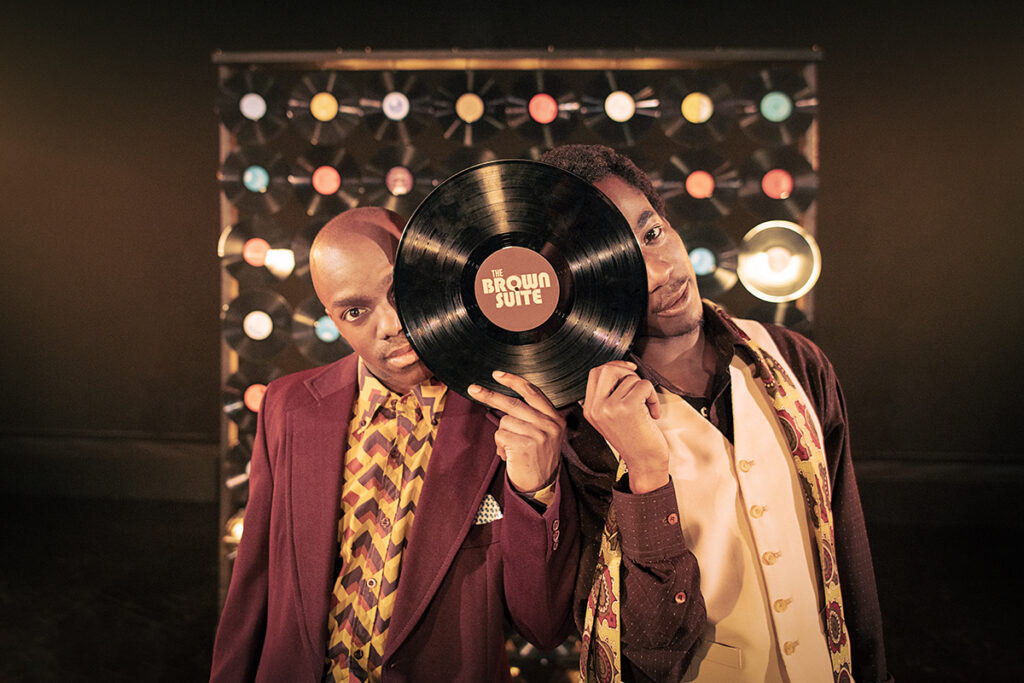
Six friends, one night in 1970s New York, and a soundtrack built from James Brown, Etta James and Sam Cooke — that’s the world at the centre of ‘The Brown Suite’, a full-length dance-theatre show from choreographic duo BlacBrik. Ahead of its UK tour with Fundamentally Dance, Quays Life chats to choreographers behind it, Nahum McLean and Darius Drooh to find out more about their creative partnership, the advice that’s shaped their instincts as artists, and what they hope audiences carry out of the theatre and argue about on the way home.
For anyone discovering The Brown Suite for the first time, what is the show?
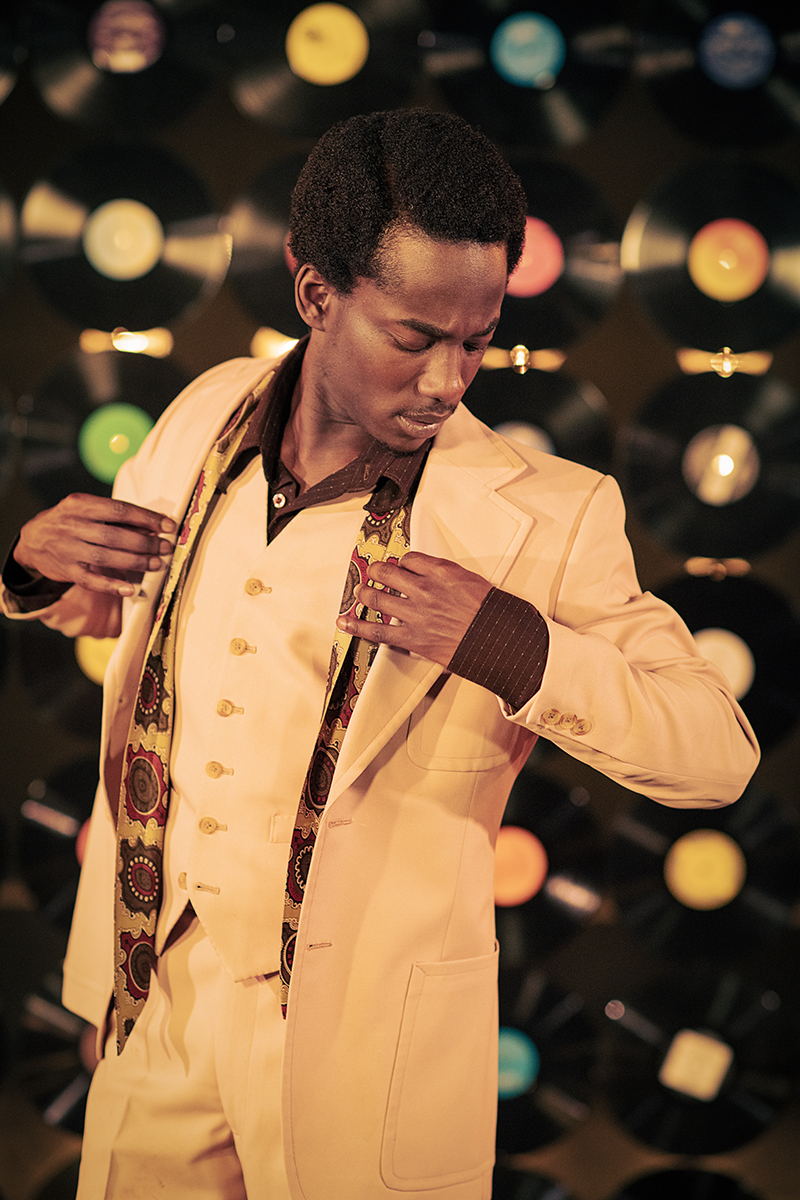
Nahum: “The Brown Suite is a dance-theatre work inspired by the music of James Brown, Etta James and Sam Cooke. It’s set in a social space in 1970s New York and follows six friends over the course of one night – the relationships, the joy, the tension, the flirtation, the conflict and everything that happens when people come together in a space where they can really be themselves.”
Darius: “At its heart, it’s about people. The music gives us the landscape, but the characters and their relationships drive the piece. We wanted to create something that feels alive and familiar – where you recognise the energy of being in a room with your friends, but also see how quickly that energy can shift”.
Nahum: “What we didn’t want was a tribute act – six songs and a nostalgia trip. The moment you walk in, you’re a seventh person at that gathering. You know these dynamics because you’ve lived them: the friend who’s had one drink too many, the couple pretending they’re not a couple, the person quietly holding the whole room together. One night, six people, and by the end you know exactly who they are to each other”.
How would you describe who you are as artists and the work you create together?
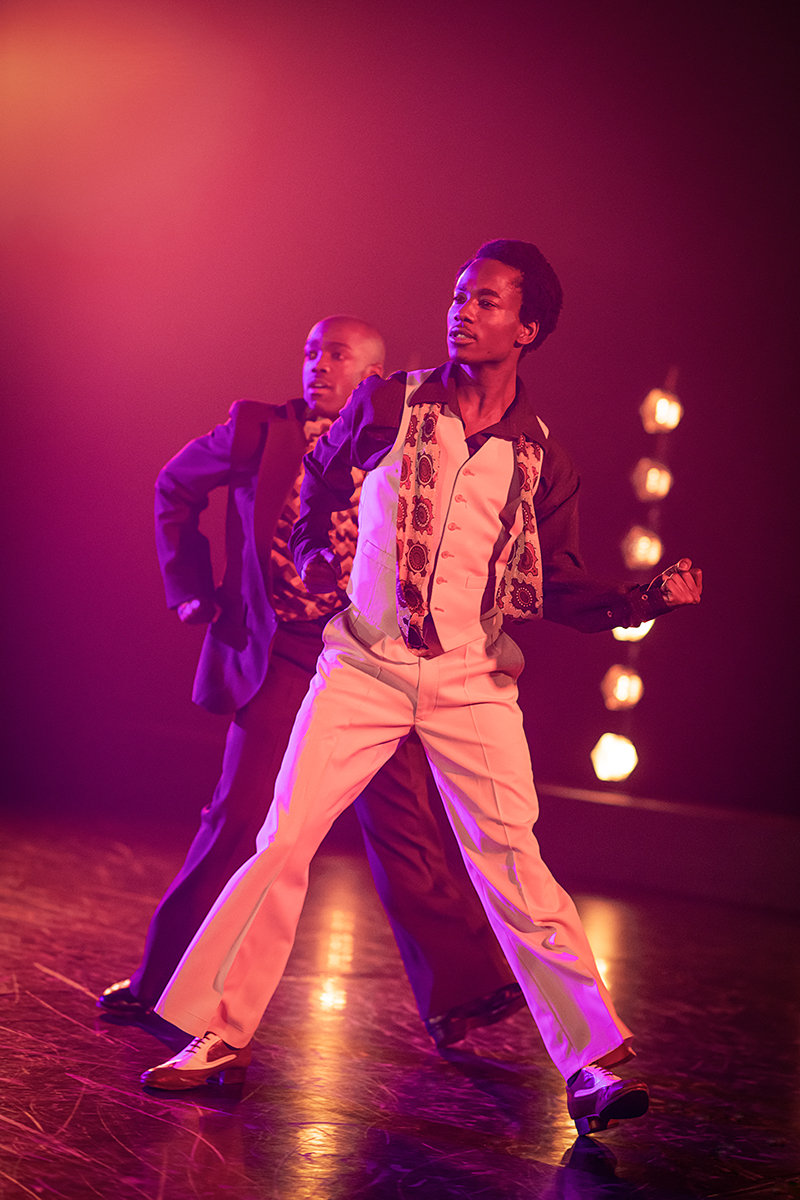
Nahum: “We’re both dancers and choreographers, but I think what BlacBrik is really interested in is the intersection of the forms we love – ballet, contemporary, jazz, funk, African diasporic movement, social dance. Not any one of them on its own, but what happens where they meet”.
Darius: “Because each of those forms already tells a story in its own way – ballet has a certain relationship to line and restraint, social dance has a relationship to individuality and call-and-response. We’re interested in what it means when a character can move between those languages, because that tells you something about who they are, not just how well they can move”.
Nahum: “So it’s not decoration. The form a character moves in is part of the storytelling – it’s part of the language of the show, the same as the music or the setting”.
You started working with Fundamentally Dance when you performed Death of the Bachelor at Ballet Nights 007 in London. How does it feel to be touring your very own full-length work across the UK with The Brown Suite today?
Nahum: “It’s honestly quite surreal. We performed a six-minute excerpt of Death of the Bachelors at Ballet Nights 007, so going from that to creating a full-length work and then seeing it travel around the country is a huge step”.
Darius: “There’s also something really special about the fact that the relationship with Fundamentally Dance grew from that first performance. We’re not just presenting a bigger version of what we did before – we’ve had the opportunity to develop our language, our storytelling and our ideas on a much larger scale”.
Nahum: “And ultimately, getting to see audiences experience something that started as conversations between the two of us is probably the most rewarding part”.
Darius: “Six minutes, you can hide behind a strong idea and good stamina. A full evening asks something different of you – pacing, restraint, knowing when to let a scene breathe. That’s been the real education”.
How has James Brown’s music been present in your life?
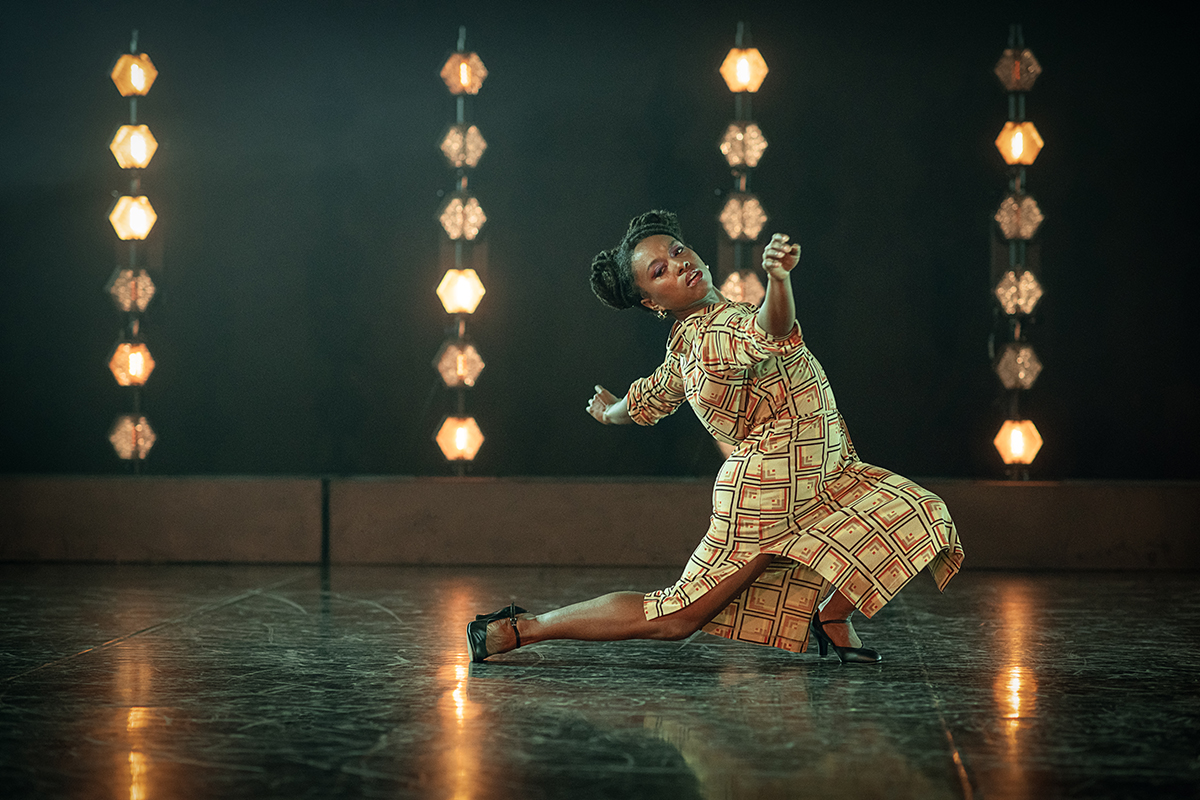
Nahum: “James Brown has always felt bigger than just music to me. There’s something incredibly physical about it. You don’t just hear James Brown – you feel the rhythm in your body.
“Actually, my relationship with his music goes back further than any ofmy professional training – I auditioned for my vocational ballet school dancing to James Brown. So in a strange way, he’s been part of every serious step I’ve taken as a dancer, not just this show”.
Darius: “And there’s such a huge range within his music. There’s aggression, humour, sensuality, vulnerability, swagger and joy. That range gives you so much to work with as a performer and choreographer”.
Nahum: “There’s a reason his music has had such an enormous influence on dance and popular culture. The rhythm demands a physical response, and for us that became a really important starting point for the work”.
What ideas, experiences or conversations have sat at the heart of your work on The Brown Suite?
Darius: “One of the biggest things has been community – what happens when people create a space for themselves. We were interested in social spaces and what they can mean beyond simply being somewhere to go out”.
Nahum: “We were also interested in relationships. Friendship, attraction, competition, vulnerability, masculinity, femininity – all those little negotiations that happen between people when they’re together”.
Darius: “And we didn’t want to romanticise the period. There’s joy in the piece, but there’s also fracture. The social world we’re creating can be beautiful and complicated at the same time”.
Nahum: “A lot of our conversations kept coming back to who holds the room and who’s holding themselves together while they do it. Six friends means six different jobs in that dynamic – the peacemaker, the instigator, the one everyone’s protecting without saying so. We wanted the choreography to carry those roles even in the moments where nobody’s speaking”.
Darius: “It was important to us that the fracture felt earned, too – not a twist for the sake of drama, but the kind of thing that’s been sitting under the surface of a friendship group for years before it finally comes out on a night like this one”.
You have a very diverse training. Is The Brown Suite the place where you are able to bring all your different movement knowledge together?
Nahum: “Definitely. Both of us have moved through quite different worlds as dancers, and I think this piece gives us permission to bring those experiences together without having to choose one”.
Darius: “Ballet and contemporary technique give us certain tools – line, strncture, weight, space, precision. Then there are the social and African diasporic movement traditions that bring rhythm, groove, individuality and a different relationship to the music”.
Nahum: “We’re not interested in simply putting those things next to each other. The exciting part is what happens when they actually influence one another”.
Darius: “Practically, it means a dancer might hit a classical line one beat and let it collapse into something completely social and loose the next, without a seam. That’s not a trick – it’s how people actually move when they’re comfortable in a room, half showing off and half just existing”.
To create this new piece with Fundamentally Dance, where did the work begin, and how did you turn that starting point into movement? What have you learnt from each other?
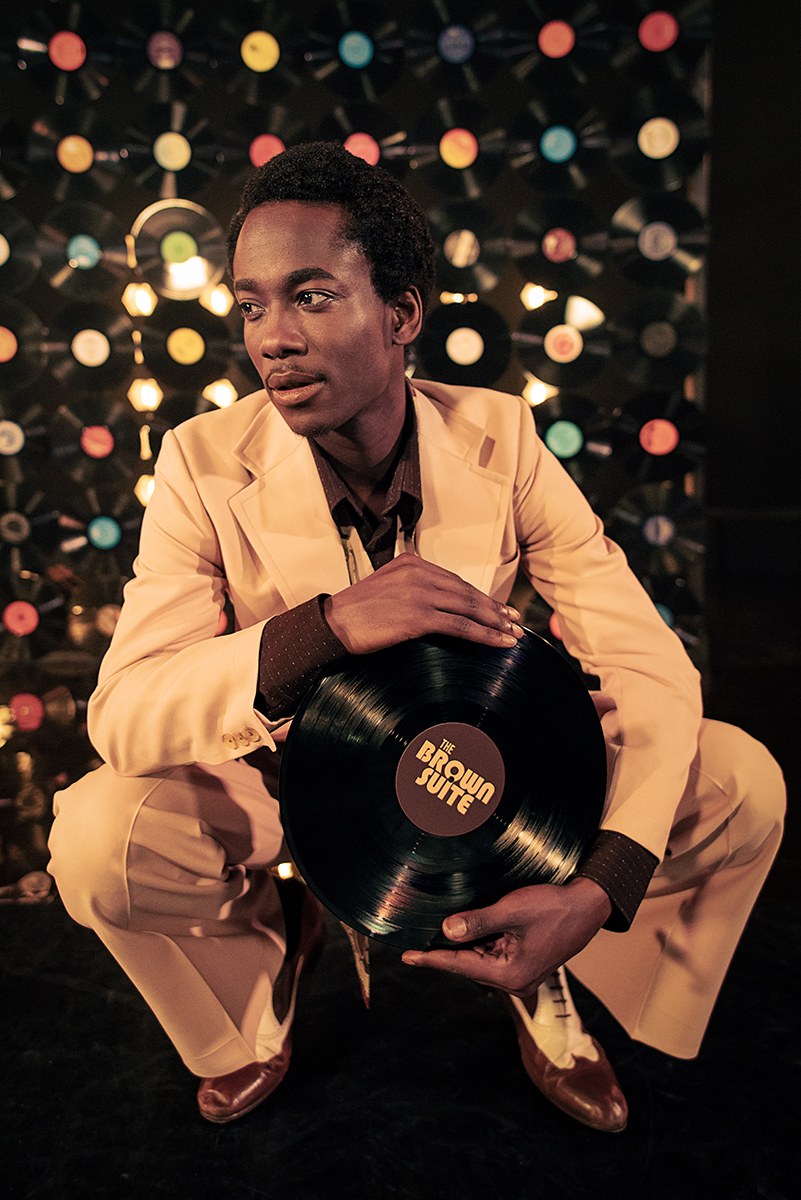
Darius: “A lot of it began with the music and the world we wanted the audience to enter. We weren’t starting with choreography for choreography’s sake. We were asking: who are these people? Where are they? What happened before this moment? What happens when the music changes?”
Nahum: “Then the movement grew out of those questions. Sometimes it starts with rhythm, sometimes with a character, sometimes with a relationship between two people. The choreography becomes a way of revealing what’s happening underneath”.
Darius: “Working together has also taught us how different our instincts can be – and how useful that difference is. We don’t always approach a problem in the same way, but that usually pushes the work somewhere neither of us would have arrived at alone.
What is the best creative advice you have received?
Nahum: “One of the best pieces of advice I’ve received came from Mark Baldwin OBE – trust your instincts. You can learn from everybody, and you should, but eventually you have to make decisions based on what you actually believe in”.
Darius: “And don’t be afraid to edit. Sometimes the hardest thing is knowing when something isn’t serving the bigger picture, especially when you’ve become attached to it”.
Nahum: “You have to be willing to let the work change. The first idea isn’t necessarily the final idea”.
Where do you tap your inspiration from? What is your favourite film?
Darius: “Inspiration comes from everywhere – music, people, architecture, fashion, photography, film, conversations. Film especially, because a director can build a whole world for you without anyone ever explaining how they feel”.
Nahum: “We actually properly align on this one – we’re both completely obsessed with Quentin Tarantino. Kill Bill is probably the film we’d both put at the top. It’s not just that we love it, it’s that we love what he does – the storytelling isn’t always linear, it moves between mediums, animation drops in and out, and the music is so specific to every moment”.
Darius: “The soundtrack does half the storytelling in his films. That’s something we think about constantly with The Brown Suite – how specific a piece of music can be to a character or a moment, not just a mood”.
What do you hope audiences carry with them after experiencing The Brown Suite?
Nahum: “I hope they leave feeling something. Hopefully they’ve laughed, danced in their seats, maybe recognised something of themselves in one of the characters”.
Darius: “I also hope they leave with a sense of the power of social spaces – the importance of having places where people can gather, connect, express themselves and simply exist together”.
Nahum: “And ultimately, I want them to remember the people. The music is iconic, but we want the audience to care about these six people and the night they’ve just experienced. If they leave wanting to talk about what happened between them, then we’ve done our job”.
Darius: “lf they’re still arguing about who was right and who was wrong on the drive home, we’ve done our job twice over”.

The Brown Suite is at the Opera House Manchester on Friday 23 October 2026