


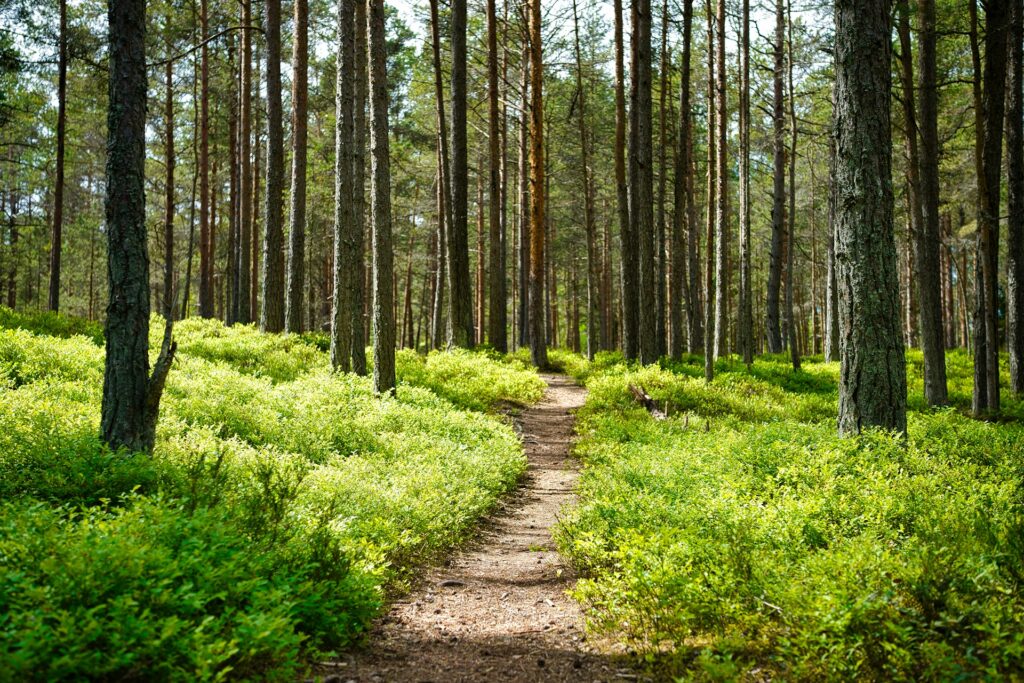
There’s a moment on every long walk when something shifts. Maybe it’s an hour in, maybe it’s day three of a multi-day trek — but at some point, the mental chatter fades, your shoulders drop from around your ears, and you realise you haven’t checked your phone in ages. You’re just… walking. And somehow, that’s enough.
In a world engineered to keep us distracted, overstimulated, and perpetually “on,” there’s something almost rebellious about choosing to walk instead of scroll. No notifications. No algorithm deciding what you see next. Just your legs, the ground, and whatever thoughts decide to surface. It sounds too simple to matter. And yet walking may be one of the most quietly transformative things you can do: for your mind, your relationships, and your sense of who you are.
This isn’t just exercise. It’s moving meditation, therapy session, and adventure rolled into one, and it’s available to almost anyone, almost anywhere, starting the moment you step outside your door.
The Therapeutic Power of Walking
Walking does wonders for both your mind and emotions. The steady, rhythmic pace can quiet a busy brain, letting thoughts settle and clarity emerge. And this isn’t just a nice feeling, it’s backed by a growing body of research into the psychological benefits of the activity.
Many therapists now build walking directly into their sessions, drawn by the benefits of pairing gentle movement with conversation and reflection. The left-right pattern of walking, known as bilateral stimulation, is thought to help the brain process emotion and reduce stress, almost like a built-in release valve for whatever you’re carrying.
Take that walk into nature, and the effects intensify. Green space, fresh air, and the feeling of earth underfoot all work together to ground you in the present moment. Instead of spiraling into worries about the past or future, your senses lock onto the sights, sounds, and smells around you. That mindful state is exactly what makes it so hard to find peace indoors and so easy to find outside.
Join a Renowned Walking Journey
For those craving something more immersive, tackling a famous long-distance walk can be genuinely life-changing. These aren’t just long hikes; they’re pilgrimages of self-discovery, shared with a global community of fellow walkers chasing the same thing.
Spain’s Camino de Santiago is the best-known example, drawing hundreds of thousands of pilgrims each year to its historic paths. What makes it special isn’t just the scenery; it’s the shared purpose. Strangers become companions almost instantly, bonded by sore feet and a common destination.
Different routes suit different appetites. The classic Camino Frances remains the most popular, but plenty of alternatives offer their own flavour. Routes like the beautiful Portuguese Way from Tui, for instance, offer a different view of the pilgrimage, winding through charming villages and lush landscapes. And because many of these organised walks handle the logistics (accommodation, luggage transfers, route planning), your only real job becomes the walking itself: step, breathe, reflect, repeat.
Building Bonds on the Trail
There’s no setting quite like a long walk for strengthening a relationship. Put a friend, partner, or family member next to you on the trail, and the usual distractions of daily life simply vanish. No screens. No chores. Just hours of open, uninterrupted time.
Conversation flows differently under those conditions — drifting easily from lighthearted observations about the scenery into deeper territory: life, dreams, fears, decisions you’ve been avoiding. The shared physical effort, and the small triumph of reaching each day’s destination, builds a sense of teamwork that’s hard to replicate anywhere else.
And the bonding doesn’t stop with people you already know. On popular long-distance trails, you become part of a temporary, ever-shifting community; meeting people from all over the world, each carrying their own story and their own reasons for walking. A shared meal at day’s end, a comparison of blister stories, a word of encouragement to a struggling stranger. These small moments create connections that feel surprisingly deep, and often turn into some of the most cherished memories of the whole journey.
Moments of Reflection and Growth
The extended time and mental space of a long walk is tailor-made for reflection. Day after day, as you settle into the rhythm, your mind begins to unwind, finally processing the thoughts and feelings that got shoved aside during the busyness of ordinary life.
Free from the constant ping of emails, news alerts, and social feeds, you get to actually hear your own inner voice again. That quiet can lead to real insight, solving a problem, making a decision, or simply seeing your life from a new angle.
There’s growth, too, in pushing your limits. A multi-day walk is a physical and mental challenge in equal measure. Some days your muscles will ache and you’ll wonder if you can keep going, and pushing through those moments builds a resilience and self-belief that outlasts the trip itself. Reaching the final destination brings a sense of accomplishment that reaches far beyond the walk. You learn you’re stronger and more capable than you assumed, and that lesson tends to stick around long after the boots come off.
Perhaps the biggest lesson of all: progress doesn’t have to be dramatic. Sometimes moving forward just means holding a steady pace and trusting yourself to keep going. Every mile is another chance to practice patience, adaptability, and perseverance; small victories that quietly reshape how you handle challenges everywhere else in life. Even the hardest journeys become manageable once you stop staring at the whole distance and just focus on the next step.
Bringing the Experience Home
The good news is that none of this has to end when the trip does. You can bring the spirit of the trail into everyday life and hold onto that sense of peace and connection long-term. The key is to treat walking as an intentional practice, not just a way to get from A to B.
Start small: set aside 20 or 30 minutes a day. Leave your phone behind, or at least put it on silent, and give your full attention to your surroundings and your own thoughts. Explore parks and local trails you’ve never bothered with before. You might be amazed at what’s hiding a few streets from home. Turn a weekend walk into a shared ritual with friends or family, and let it become something you look forward to rather than a chore to check off.
By carrying the core principles of the trail — mindfulness, connection, simple movement — into your daily routine, you can keep finding the same calm and clarity you discovered out there on the long road.
The path to connection and solace is often as close as the door right outside your house. It doesn’t start with a grand plan. It starts with the decision to take the first step.