


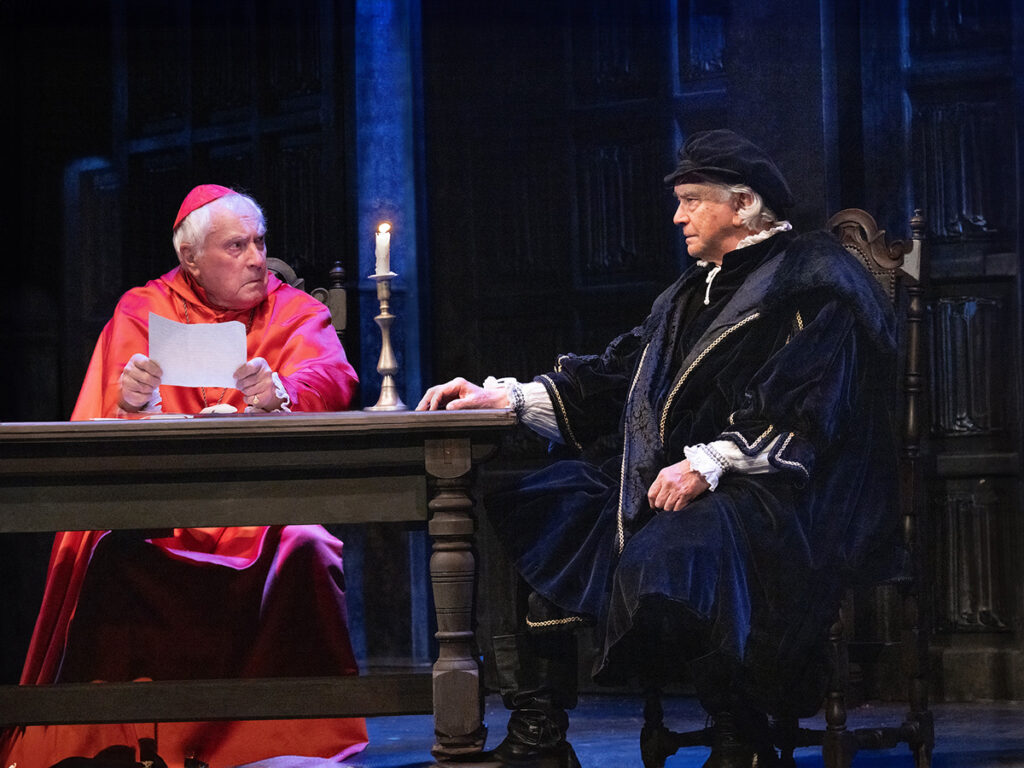
Integrity in high office has always been rare. And in today’s uncertain world there is a welcome modern-day relevance to this revival of Robert Bolt’s 1960s play ‘A Man for All Seasons’.
The ever-popular dramatising of Tudor history means this historical true story is an often told one, of which most, if not all, the audience will be familiar. Given its rare staging Bolt’s play is perhaps less well-known, but its 1966 Oscar-winning screen adaptation starring Paul Scofield rightly earns this telling of it classic billing.
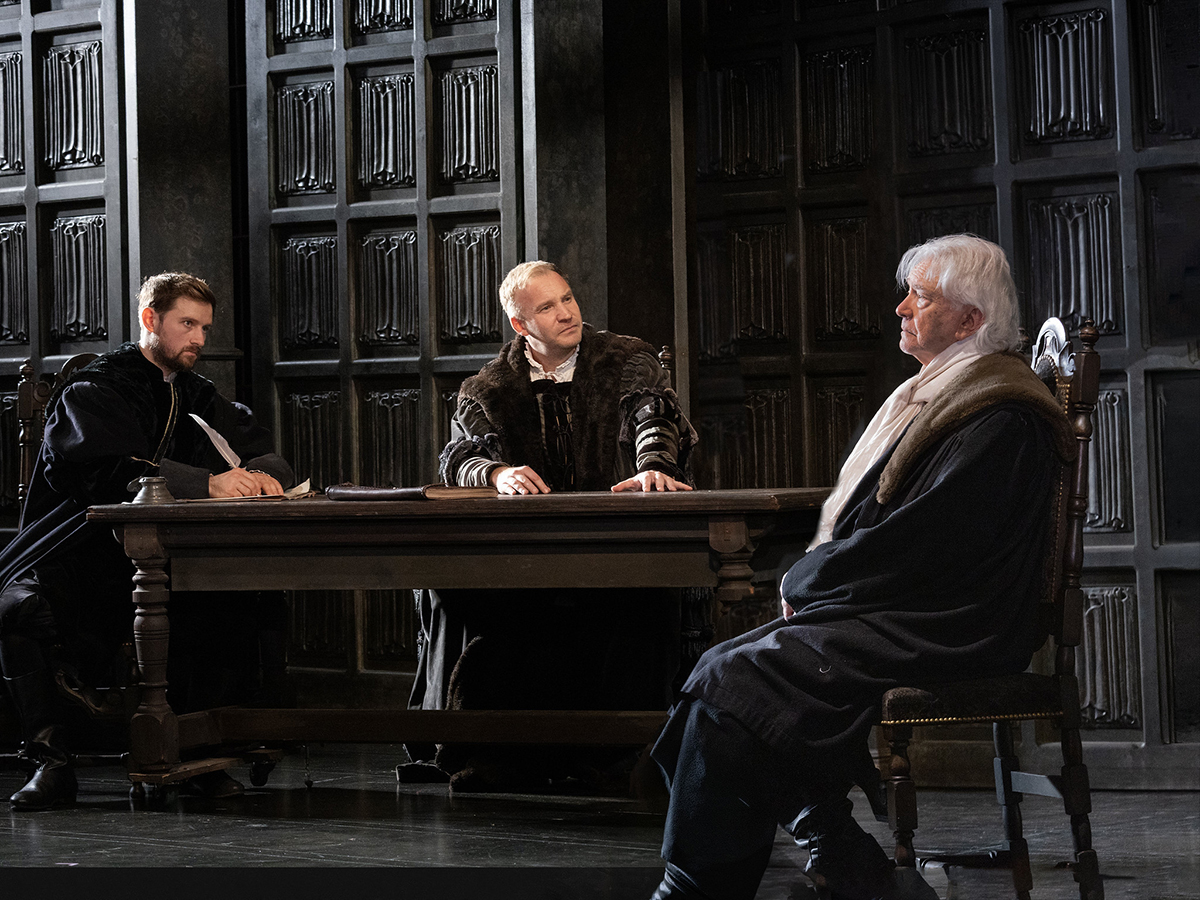
How to create drama and keep audience attention when we know the outcome is always going to be a challenge. Director Jonathan Church knows that the real fascination here is in the characters and their moral arguments. And what he gives us in this traditionally staged production is a wordy, intelligent piece that demands focus.
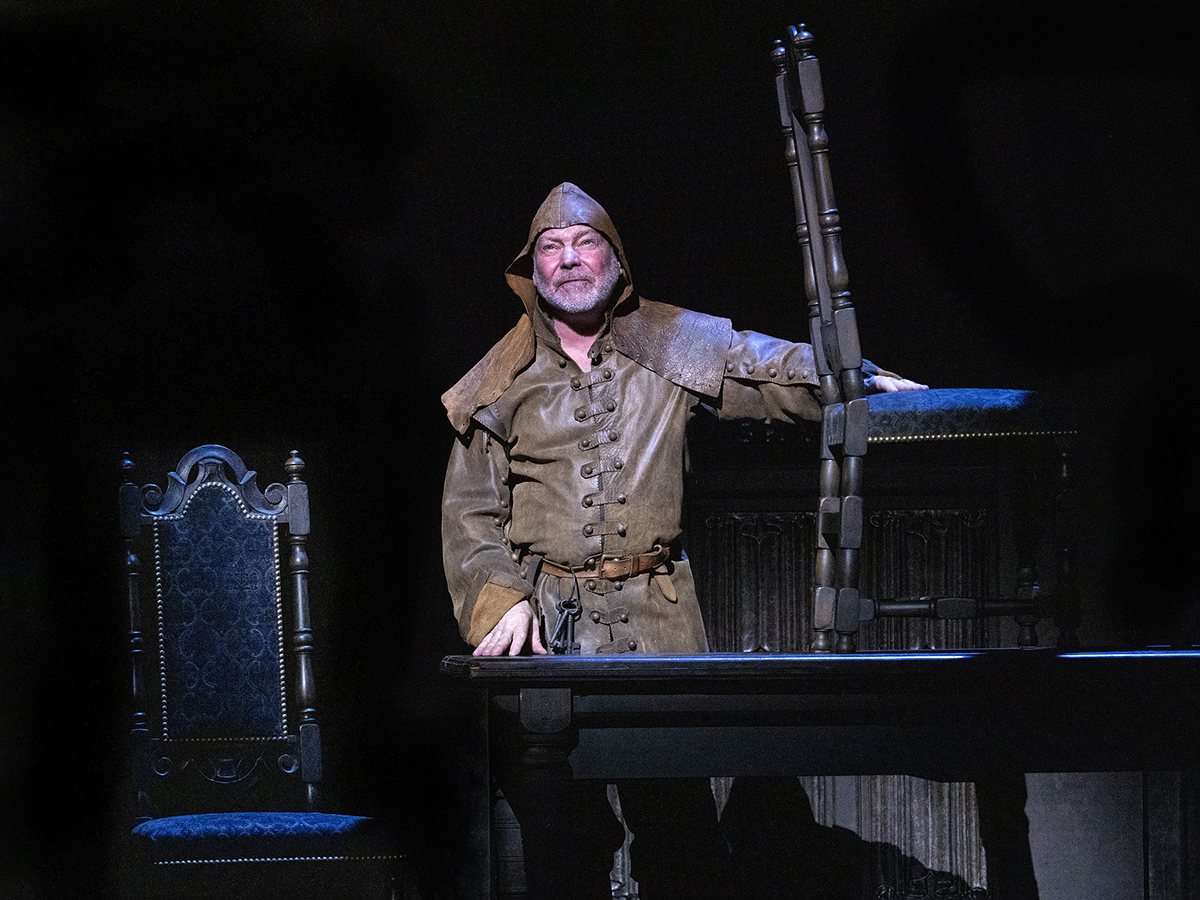
A key difference between the play and the film is the character of The Common Man, played here by an affable Paul Kemp, who takes on the role of narrator. Speaking directly to the audience, Kemp becomes our guide, morphing between servant and publican, juror and jailer, in roles that broadly represent the wider public, and providing a window onto the true impact of decisions made in these elite corridors of power.
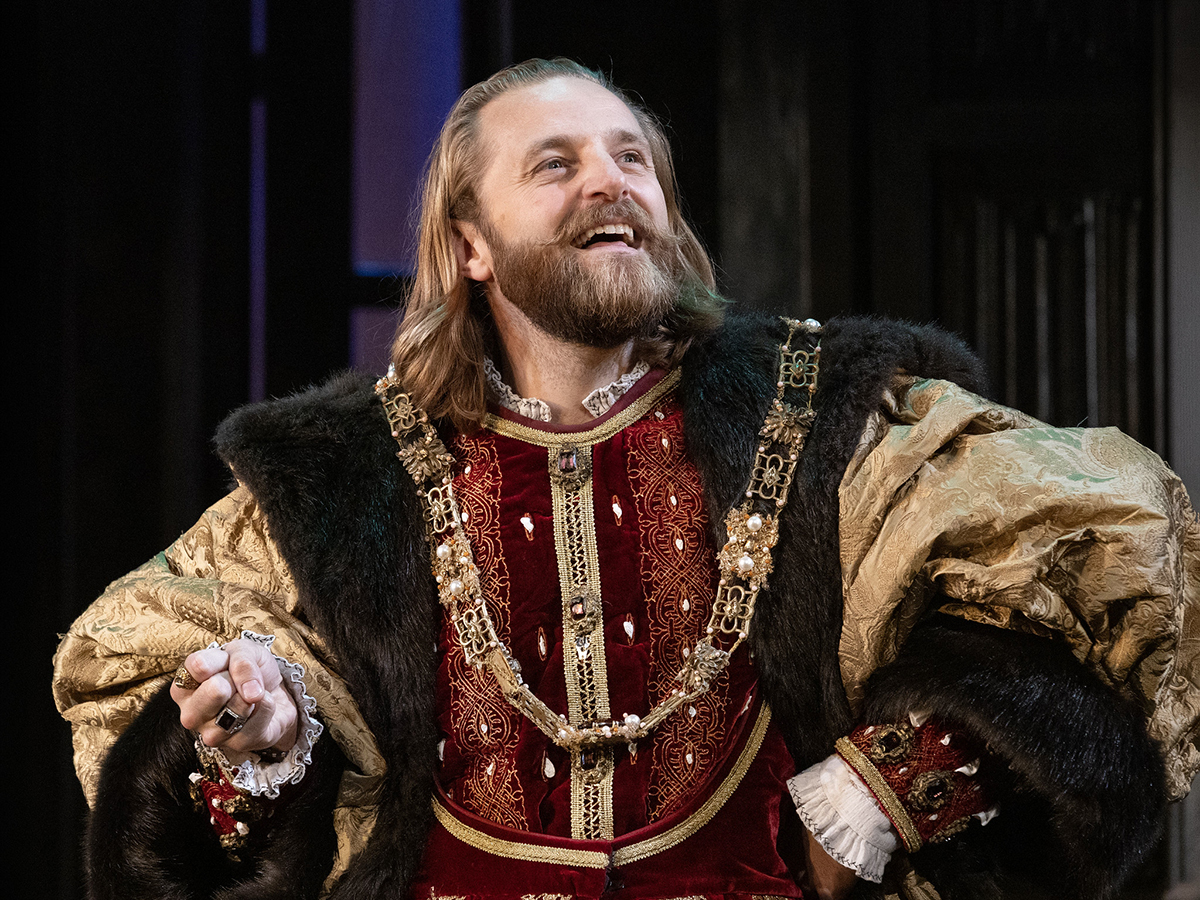
And few have been more powerful or colourful than Henry VIII, here brought to life with petulant flamboyance by Orlando James. As King he is desperate for a male heir and is willing to rip up all the rule books to make that happen, even those of the Catholic Church to which he belongs.
All the King’s courtiers are quick to agree with his divorce from Catherine of Aragon to marry Anne Boleyn. All, that is, except his Chancellor Sir Thomas More (Martin Shaw), who resigns and believes his silence on a point of law will save him from Henry’s wrath. How wrong could he be?
More is the central character here and the play follows him from statesman like intellectual jousting to quiet counsel, we see the impact on his family of his moral stand, and the depths others will stoop to challenge his integrity. His framing in court by Richard Rich (Peter Losasso) deals a blow much harder than Rich’s weasly words for on hearing them the common men of the jury seal More’s fate and final execution.
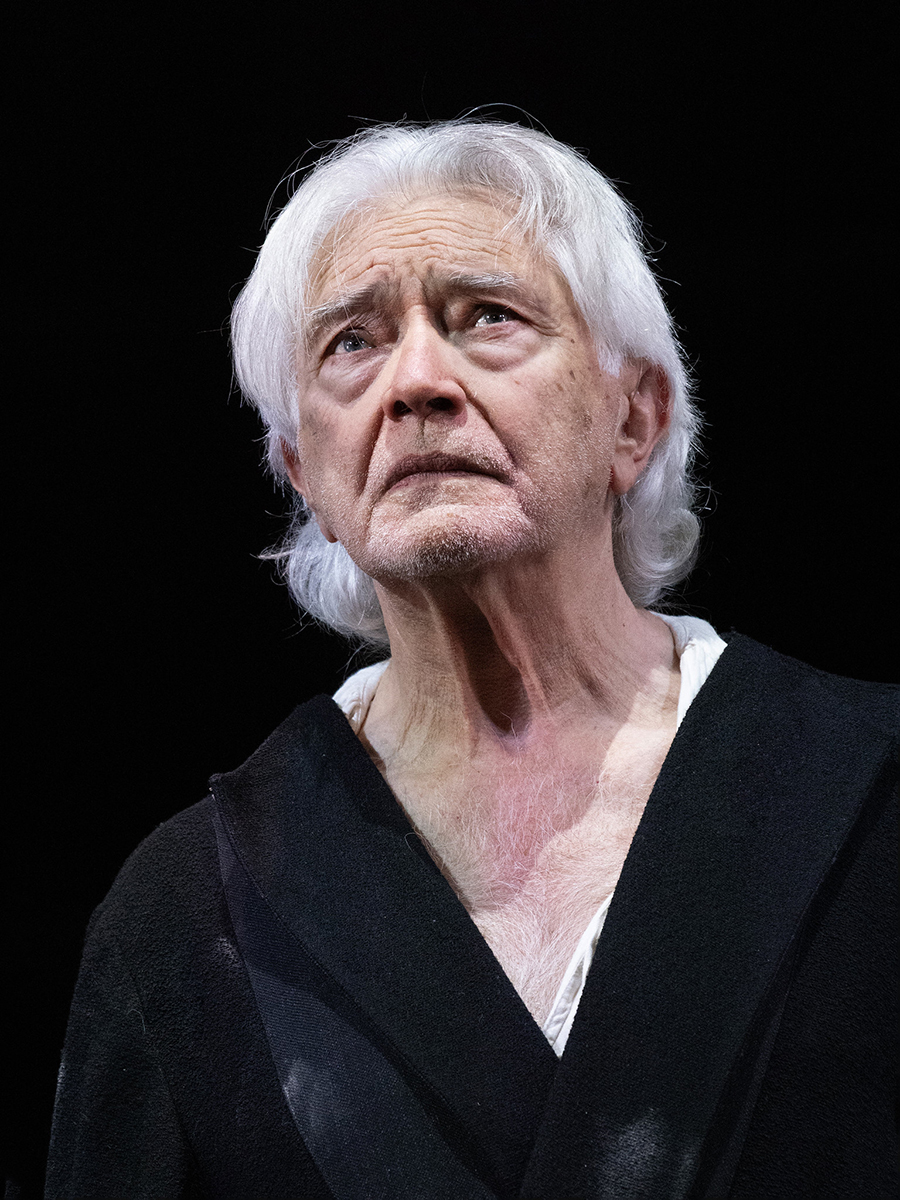
Shaw, well-known for his TV roles in ‘The Professionals’ and ‘Judge John Deed’ among many others, brings an assured presence to More. In a performance that captures honour, gentleness and wit, he brings a recognisable humanity to this 16th century figure who could so easily be presented as otherworldly given his strength of conscience (and modern day sainthood).
Simon Higlett’s impressive set of floor to ceiling wooden panelling fills the Lowry’s large Lyric stage with a dark brooding that fits both the time and mood. But don’t be fooled into thinking this period staging means the production has nothing to say to audiences today. For, while the parallels may not be made explicit there are many for audiences to draw with the modern political landscape.

A Man for All Seasons is at Lowry Salford from 4 to 7 November 2026.