


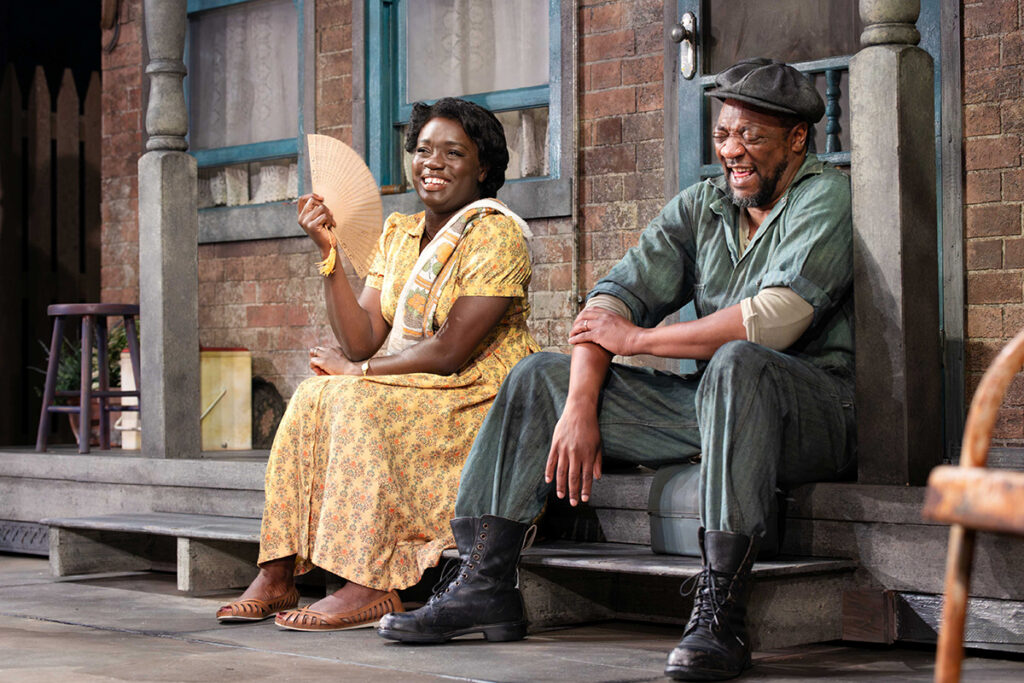
Many plays can be enjoyably read and dissected for their mastery of the craft, but that same enjoyment can dim considerably when transferred to the stage if judicious pruning is not applied. Lorraine Hansberry had to be strongarmed into accepting omitting whole scenes from the stage adaptation of ‘A Raisin in the Sun’. Doing so turned the play into a dramatic success and the cuts (suggested by her husband) were restored in the printed version.
The same editing process could – and should – have been applied to ‘Fences’, August Wilson’s portrayal of one black family’s struggle to share in the American dream, in its latest incarnation at Home in Manchester. Even Pulitzer Prize winning plays benefit from a director’s assured knowledge of stagecraft.
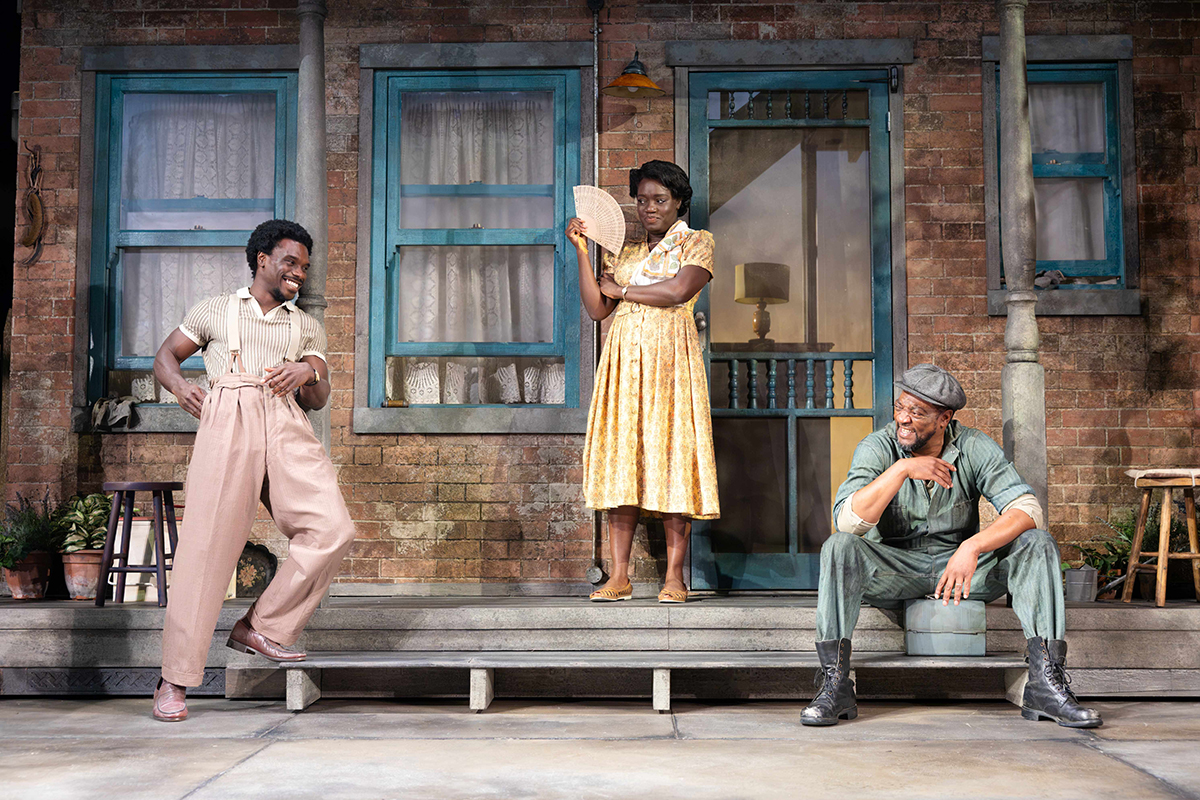
It’s a shame then that this show can feel laborious at times – even histrionic – and that the ending feels needlessly strung out, because this is an otherwise dynamic and joyful production combining stunning musical accompaniment with visually deft staging. There are some standout performances and moments of high drama to jolt the audience out of their seats.
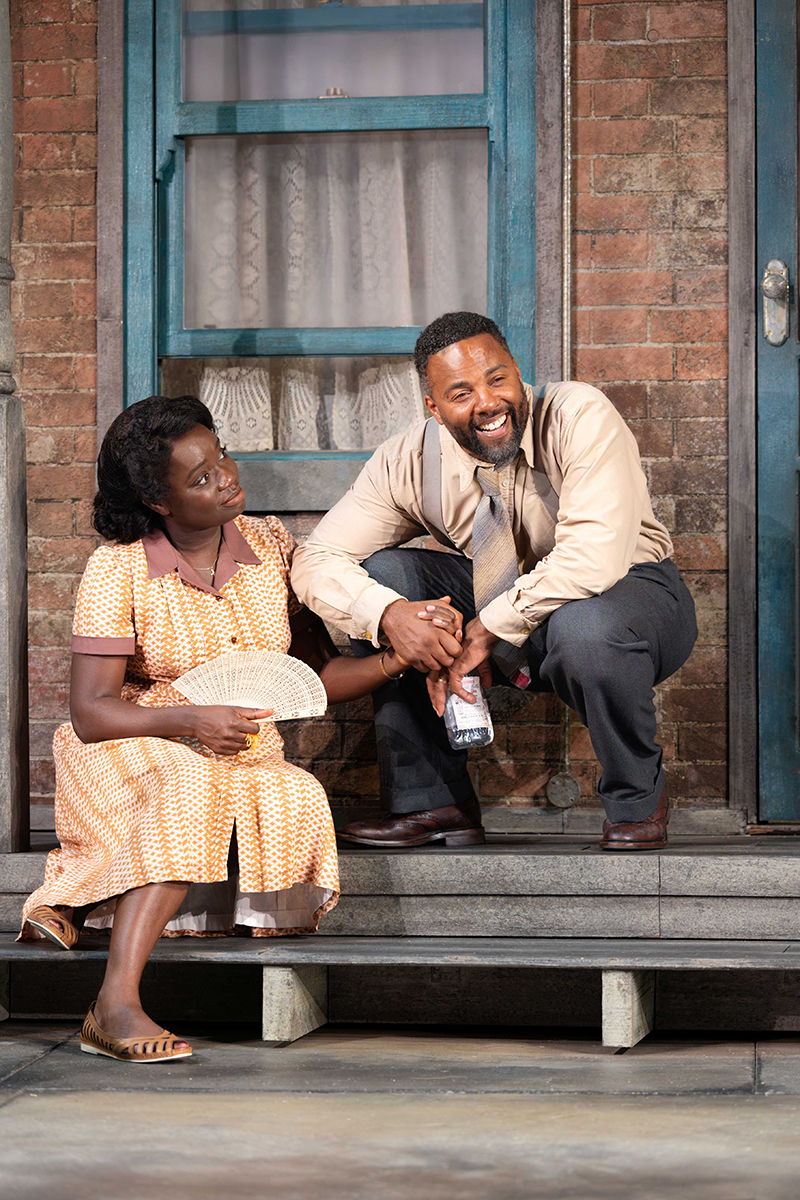
Ray Fearon as Troy Maxson emits a brooding and explosive energy, by turns boastful and full of braggadocio, the next riven by doubt and the knowledge that he has somehow let life slip away from him. He is locked in a futile struggle with sons Cory (an understated performance by Josh Tedeku) and freewheeling musician Lyons (languidly played by Michael Ahomka-Lindsay) always on the scrounge for money from ‘Pop’. Trying to keep the peace is Rose (Madeline Appiah), acutely aware of her husband’s weaknesses and the fragile finances of the household – the weekly pay packet Troy hands over after work every Friday an indictment of the position of black people’s struggle for economic equality.
Everal A Walsh plays Troy’s laidback work pal Jim Bono who can see the path his friend is taking and the peril he is putting his family in. Walsh’s facial expressions, his lugubrious acceptance of the way things are and the small enjoyments to be got out of life, bring his character totally to life.
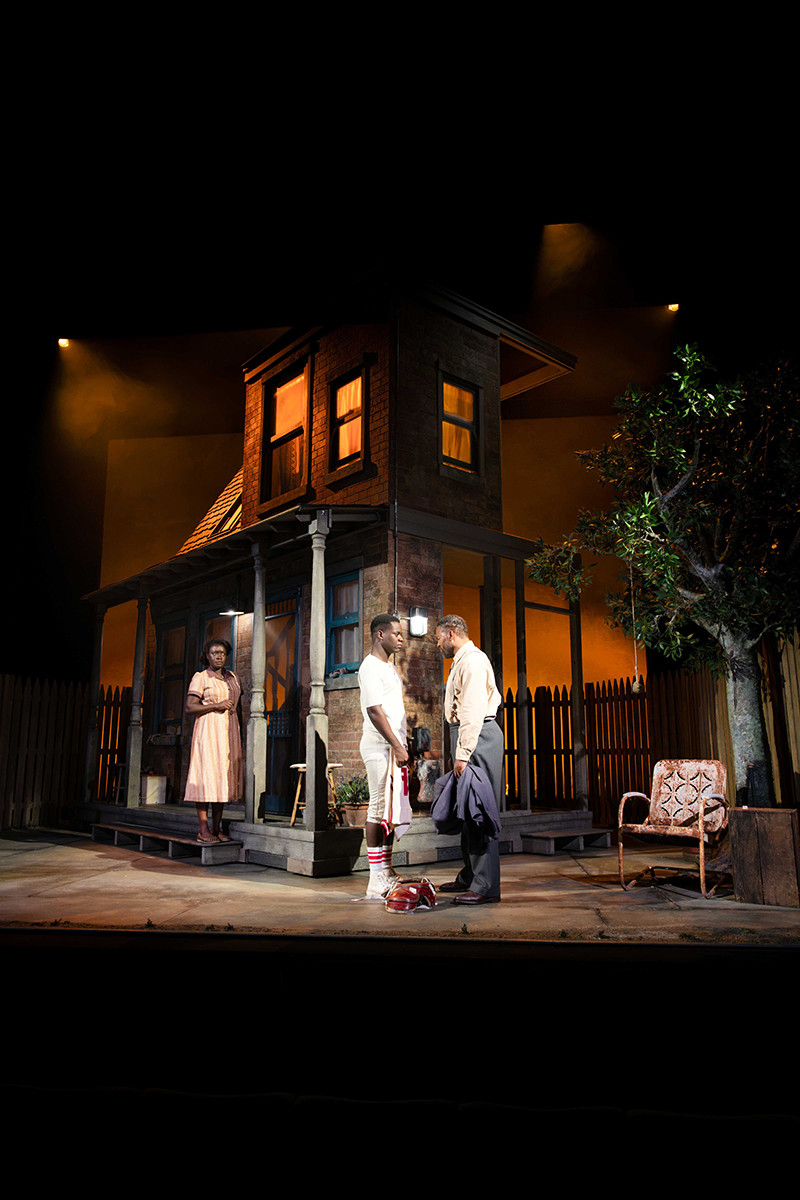
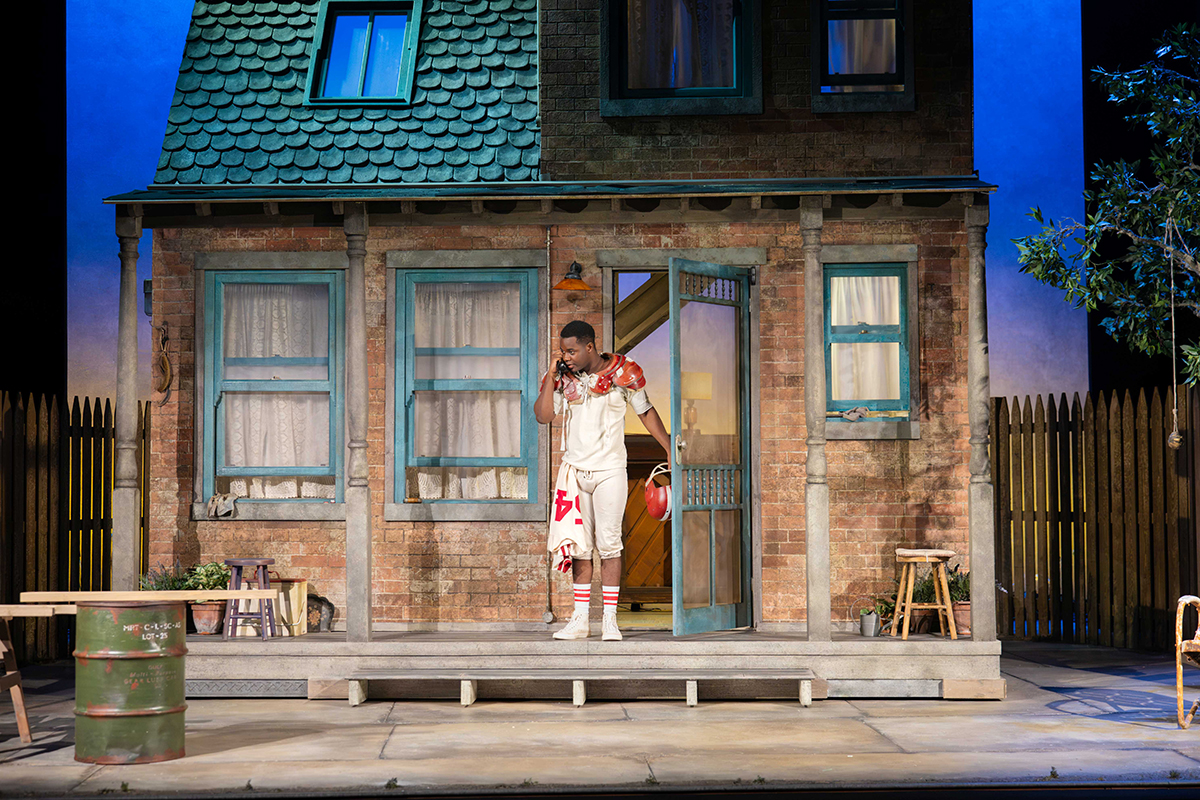
Lily Arnold’s set design is impressive. While all the action takes place on the porch (or stoop),we catch glimpses of the looming house and its hidden interiors as it revolves between acts and scenes, turning in time to a blazing soundtrack of jazz and blues (full credit to musical director Khalil Madovi). Music in this production becomes a release from the everyday struggles of biting racism and inequality.
Maxson sees himself cast into a fight for life with the devil, the former baseball star aiming to strike him down with his bat, not realising the demons are his own. The real demons are those suffered by his brother Gabe (Simon Anthony-Roden) scarred by shrapnel from the war and now spending his days conversing with St Peter via his trombone.
This is a great production but one which could have been even greater had the play’s arguable bagginess been excised.