
 Carmel Thomason
The bronze statue of Emmeline Pankhurst in St Peter’s Square tells you something of the affection with which Mancunians hold the political activist who organised the British suffragette movement and helped women to win the right to vote. Perhaps less well known is the story of her campaigning daughter Sylvia, whose socialist values drove her to fight for all people to get the vote, regardless of wealth and gender.
At the curtain call on opening night for musical ‘Sylvia’ at Lowry, Beverley Knight can be seen mouthing to her co-star, “I love Manchester”. We’re in Salford, but that’s splitting hairs because the emotion on show is clear.
Knight has been involved with this musical since its earliest workshop days. To bring it to a theatre a few miles from where the Women’s Social and Political Union was founded feels significant. From the reaction it is obviously important to the cast that this musical is successful with audiences in the city. And the cheers and standing ovation at Lowry were welcomed with visible heartfelt thanks.
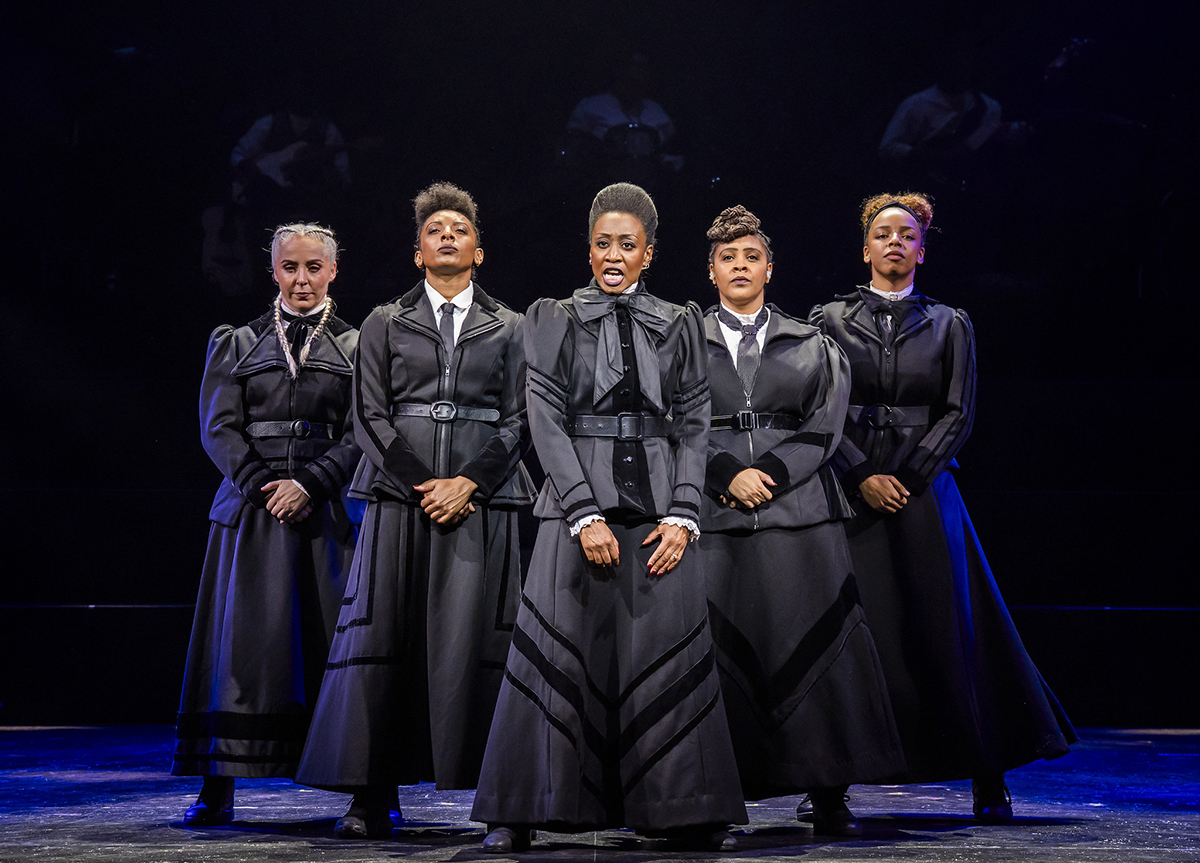
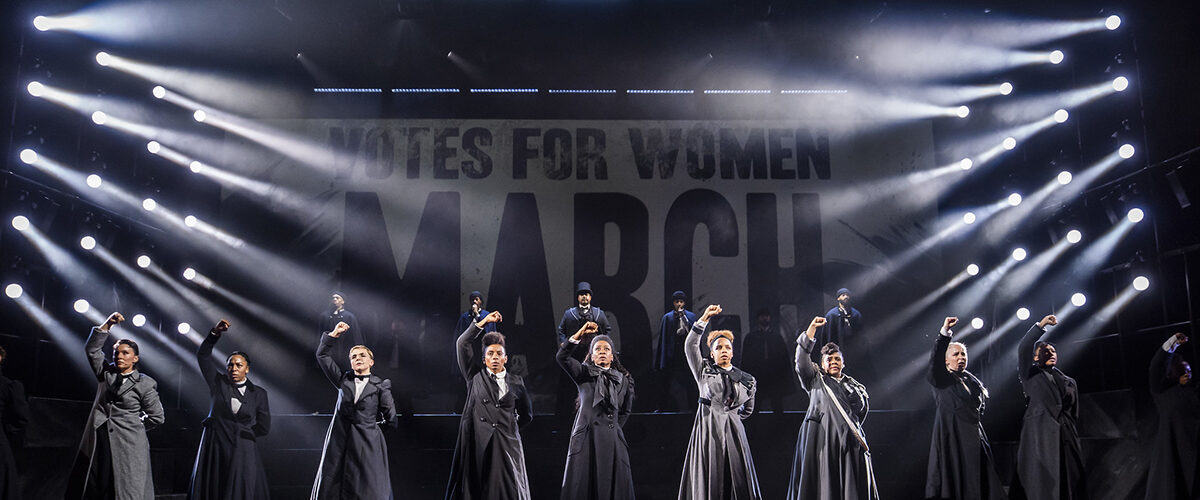
Needless to say, this relatively new musical is a crowd-pleaser. If you fought for a ticket to Hamilton, fight just as hard for one to see this. There are many similarities, not least in reimagining an historical, political true story through a modern lens of hip-hop, funk, soul, and R&B music.
Spanning several decades including the Great War the storyline has a lot to pack into an evening’s entertainment. The result is an array of broad-brushed, in some cases caricaturist figures. What carries it above this weakness is Josh Cohen and DJ Walde’s strong score and powerhouse vocals from Beverley Knight as Emmeline and Naomi Katiyo as daughter Sylvia.
Kate Prince, a whirlwind of writer, choreographer and director, injects plenty of visual humour to lighten the heavy topic. ‘Suffrajitsu’, which kicks off Act II, is a joyous anthem to feisty feminism packaged in high energy, street dance attitude.
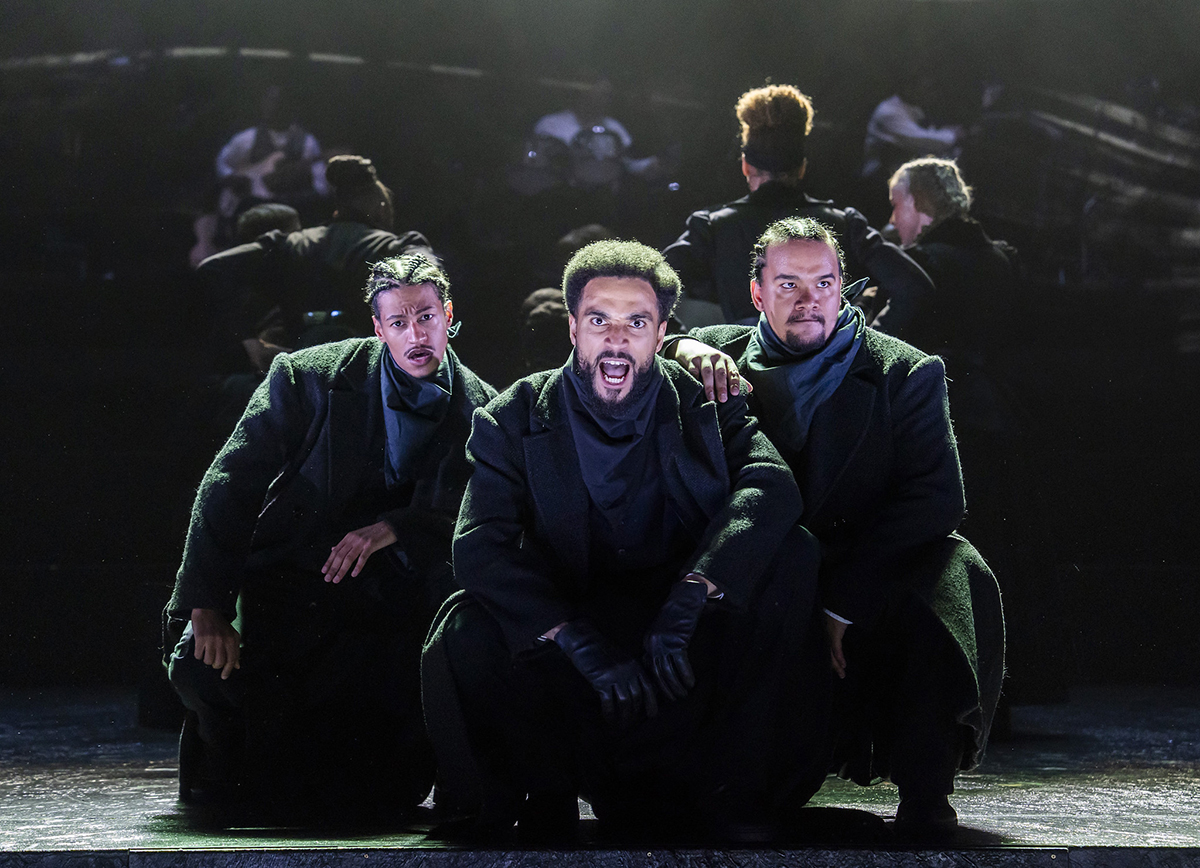
Prince sets the mother and daughter relationship at the heart of her story. Emmeline gets a less than sympathetic reading, which might put some people off. But it means there is plenty to talk about on the journey home. And if it leads to more people looking up the real history of these women, so much the better.

 Anna Ryan
 Amy Corringham

 Dave Porter